
Finding a dark puddle on your driveway or garage floor can ruin your morning. When you live in Hamilton, Stoney Creek, or Ancaster, keeping your engine clean and sealed is part of regular vehicle care. A slow leak often starts small, showing up as a few drops near the front wheels or right beneath the engine block.
Checking the Colour and Location of the Puddle
Not every puddle under your car is engine oil. Coolant can look bright green, pink, or orange, while transmission fluid usually appears reddish and feels slippery. Fresh engine oil is typically amber or light brown, but older oil that has circulated through the motor turns dark brown or black. If you notice dark spots collecting right beneath the centre of the engine bay, you are likely looking at a slow oil leak.
Take a clean piece of cardboard and slide it under the engine overnight. In the morning, pull it out to see the exact placement of the drops. If the spot sits directly under the oil pan, the drain plug washer or the oil pan gasket might need attention. If the dark fluid collects further back near the transmission bell housing, the rear main seal could be the source. Spotting these patterns helps your mechanic pinpoint the issue quickly when you come in for an oil change.
Inspecting Around the Valve Covers and Timing Cover
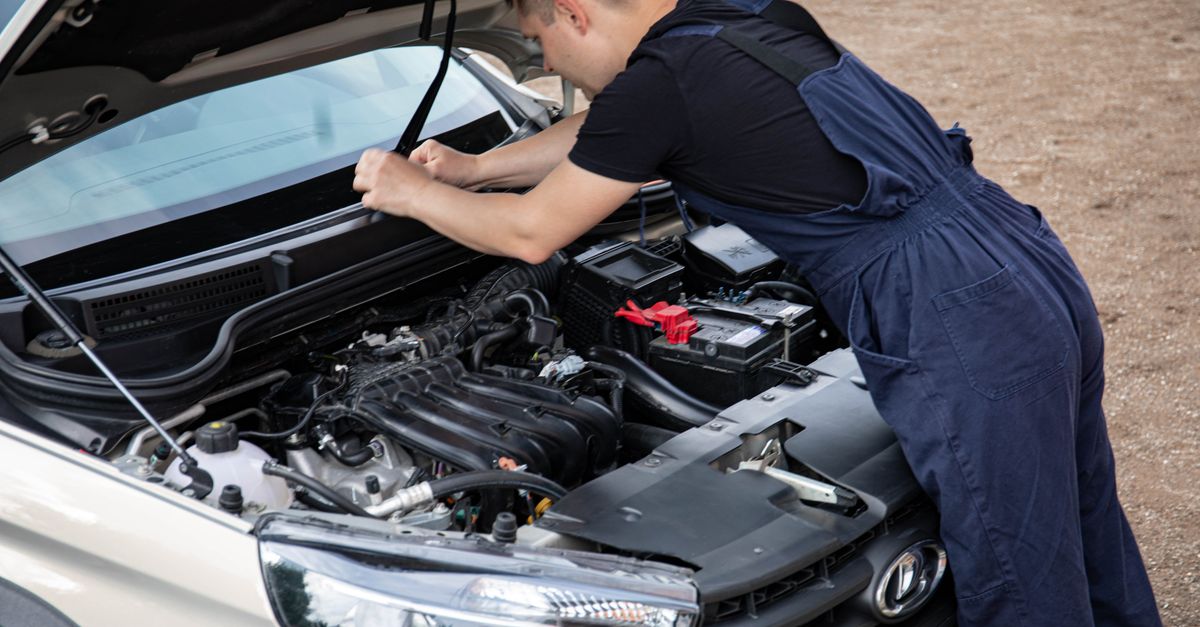
Open your hood and use a flashlight to look around the upper parts of the engine. The valve cover sits right on top and uses a rubber gasket to keep oil inside. Over time, engine heat causes this gasket to harden and crack, allowing oil to seep down the sides of the cylinder head. You might even catch a faint burning smell if that seeping oil drips onto the hot exhaust manifold during your drive down the Hamilton Mountain.
Look closely around the front of the motor as well, near the serpentine belt. The timing chain cover keeps oil contained where the internal components spin. If you see greasy buildup or wet grime clinging to the sides of the block, dust and road grit are sticking to a fresh oil film. Catching these upper leaks early prevents them from soaking rubber drive belts and causing bigger issues that require professional engine repair.
Checking Oil Levels Between Visits
When you suspect a slow leak, checking your dipstick regularly is the best way to monitor consumption. Pull the dipstick out, wipe it clean with a shop towel, push it all the way back in, and pull it out again to read the film level. If your oil level drops noticeably between routine maintenance intervals, you are losing fluid faster than normal engine consumption allows. Running low on oil starves internal moving parts of proper lubrication.
If you find yourself topping up the oil frequently, do not wait for the dashboard warning light to glow. A persistent driveway puddle means a seal or gasket has failed and needs a proper replacement. Keeping your fluid levels steady protects your engine from premature wear on local roads.
Frequently asked questions
Can I keep driving with a slow oil leak?
A slow leak is not an immediate emergency, provided you check your oil level often and top it up before it gets low. However, neglected leaks can worsen suddenly and ruin rubber hoses or driveway surfaces.
Why does my engine oil smell like it is burning after a drive?
When oil leaks from the upper valve cover gaskets, it often drips onto the hot exhaust system. That burning scent enters the cabin through your vents when you stop at a red light in Dundas or Waterdown.
How do mechanics find where an oil leak is coming from?
Technicians clean the engine block thoroughly, apply a special UV dye into the oil filler cap, and run the motor. They then use a blacklight to trace the glowing path back to the exact source.
If you spot a mysterious puddle under your vehicle, give Super Auto Shop a call at (905) 588-2828 or visit contact us to book an inspection today.
Photo: Sergey Meshkov / Pexels