
When late autumn temperatures drop around Hamilton, your car works much harder every time you turn the key. Between running the defroster, turning on headlights earlier in the evening, and powering the heater blower, your electrical system faces heavy demands. If your vehicle suddenly struggles to start or your cabin lights flicker, you might blame the battery right away. However, the root cause is often a failing alternator that is no longer keeping up with the power your car needs.
Spotting Early Electrical Warning Signs
Your alternator is the main component responsible for keeping your battery charged while the engine runs and powering all the electrical accessories. When it starts to wear out, it gives off subtle hints long before it stops working entirely. You might notice your dashboard lights pulsing or your headlights looking noticeably dimmer when you idle at a red light on the Lincoln M. Alexander Parkway. As you accelerate, the lights might brighten back up because the spinning speed increases temporarily. Another common sign is slow power windows or a radio that cuts out intermittently when you turn on the rear defroster. Paying attention to these early electrical hiccups can save you from a stressful breakdown on a cold morning.
Checking Under the Hood and Dashboard
Beyond flickering lights, your car often provides other clues that point directly to charging system trouble. A weak alternator frequently triggers a battery warning light on your dashboard, which looks like a tiny battery icon. Do not ignore this light, as it rarely means just a bad battery; it usually indicates that the charging circuit has failed. You can also listen closely when your engine is running in the driveway. A failing alternator often develops worn internal bearings that produce a persistent whining or growling noise from beneath the hood. Sometimes you might even notice a faint smell of hot electrical wiring or burning rubber if the alternator pulley is dragging or slipping against the serpentine belt. If you run into any of these issues, it is smart to check your batteries and charging system before winter weather fully sets in across Stoney Creek and Ancaster.
Preparing Your Vehicle for Winter Driving
Getting ahead of electrical issues is one of the best ways to keep your vehicle reliable as temperatures hover near freezing. A healthy battery paired with a strong alternator ensures your car starts smoothly even on the frostiest mornings. If you suspect your charging system is struggling, professional testing can measure exact output levels under load to give you a definitive answer. Taking care of charging components early prevents unexpected towing bills and keeps your daily commute trouble-free. For a thorough check of your electrical system, drop by the shop or contact us to schedule an inspection.
Frequently asked questions
Can I jumpstart my car if the alternator is bad?
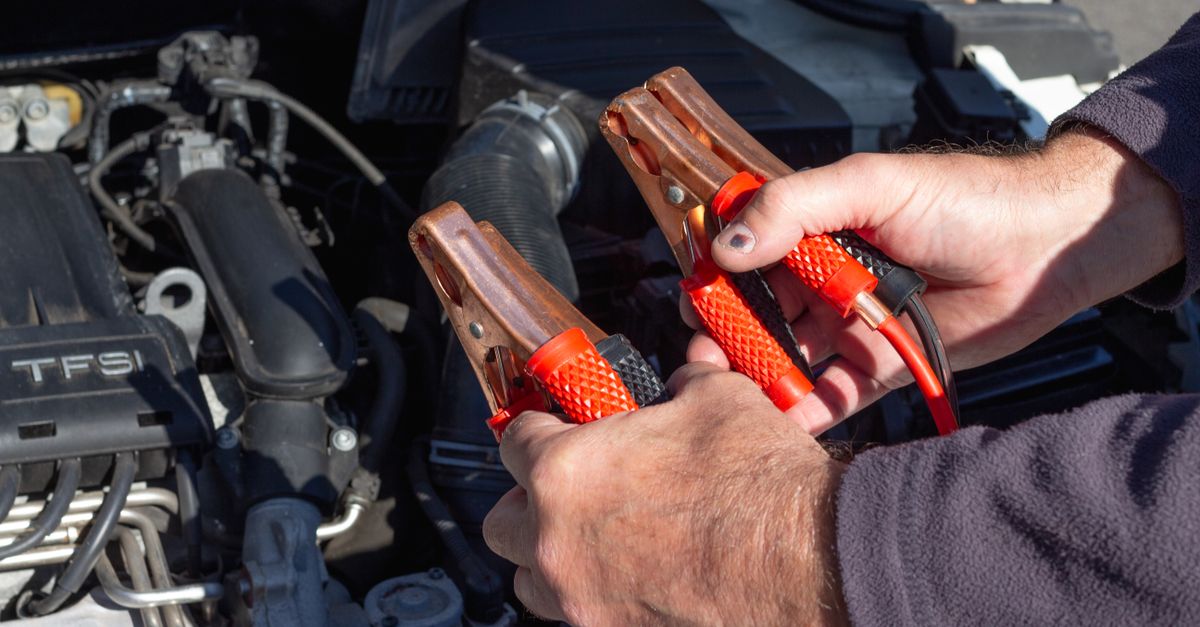
You can often jumpstart a car with a bad alternator, but the engine will likely stall shortly after you disconnect the jumper cables. Because the alternator cannot generate enough electricity to keep the system running, the battery will drain completely within minutes. It is unsafe to drive a vehicle with a known charging failure.
Why do alternators fail more often in cold weather?
Cold weather increases electrical demand significantly because drivers use headlights, heaters, windshield wipers, and defrosters simultaneously. This heavy electrical load forces the alternator to work at or near maximum capacity constantly, which accelerates wear on older internal components.
If you notice flickering lights or electrical issues, call us at (905) 588-2828 or use the booking link to schedule a checkup at Super Auto Shop on Pritchard Rd.
Photo: Daniel @ bestjumpstarterreview.com / Pexels