
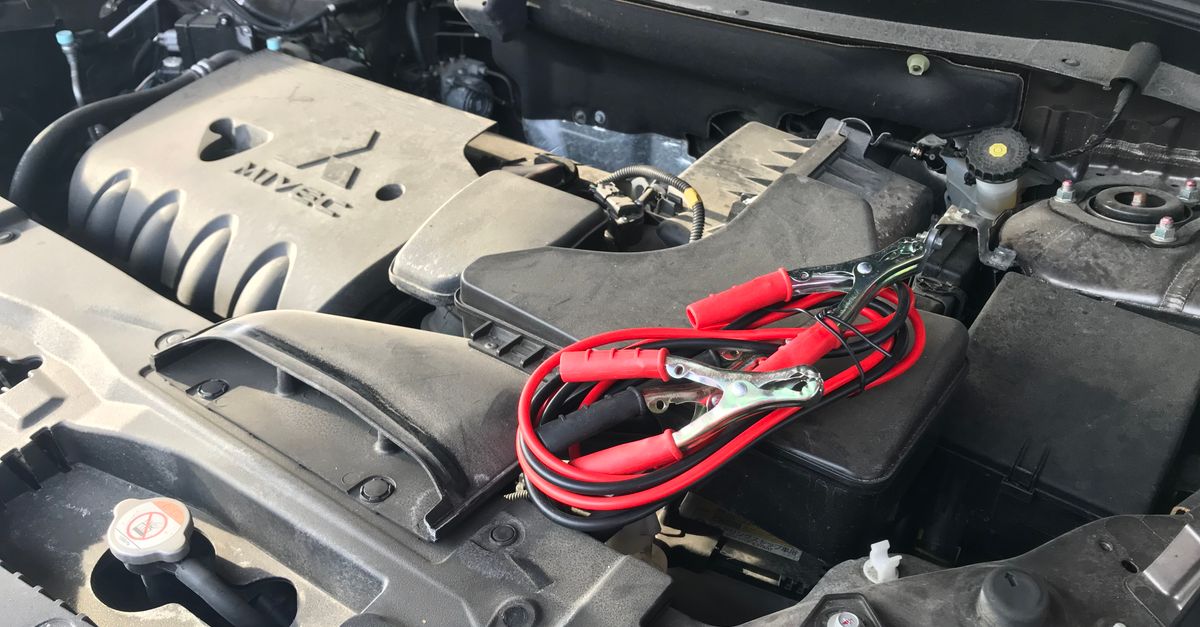
Understanding the short trip cycle
When you start your engine in the morning, the starter motor draws a large amount of power from your battery. Once the engine is running, the alternator takes over to power your electrical systems and begins to recharge the energy used during the start. If your commute or errand is very short, the alternator does not have enough time to replace that energy before you switch the engine off again. Over time, this creates a deficit where the battery is never fully topped up. When the temperature drops in late fall, a battery that is only partially charged will struggle significantly more to turn over a cold engine.
The impact of cold weather
As the temperature dips toward freezing in Hamilton and surrounding areas like Stoney Creek or Ancaster, chemical reactions inside your battery slow down. A battery that has been neglected through a series of short, local trips is much more likely to fail when it encounters a cold morning. You might notice the engine cranks slower than usual or the interior lights appear slightly dim when you first turn the key. These are signs that the battery is working harder than it should. If you find yourself frequently driving in stop-and-go traffic or just down the road for groceries, your battery is likely living in a state of constant discharge.
How to manage your power levels
There are a few practical steps you can take to keep your vehicle reliable as we head into the winter months. First, try to minimize the use of heavy electrical loads like seat warmers, rear defrosters, and high-powered audio systems immediately after starting the car. These draw power that the alternator would otherwise use to charge the battery. If you mostly drive locally, consider taking the vehicle for a longer drive on the highway once a week. A twenty-minute drive at consistent speeds allows the alternator to work efficiently and helps restore a better charge level. If you are concerned about your power levels, we offer Batteries testing and inspection to see if your unit is holding a charge properly.
Signs of a weak battery
Beyond just slow cranking, there are other indicators that your battery may be reaching the end of its life. Look for any corrosion around the battery terminals, which looks like a white or blue powder. This can impede the flow of electricity and should be cleaned off. Also, check that the battery is held firmly in its tray, as excessive vibration can damage internal components over time. While you are checking under the hood, it is also a good time to look at other systems that work hard in the cold, such as your Vehicle diagnostics if the check engine light pops up, or your Coolant flush to ensure your engine stays at the right temperature.
Frequently asked questions
Can a short drive damage my alternator?
Driving for short distances does not typically damage the alternator, but it does mean the alternator has to work harder to keep up with the demand of constant restarting. The main issue is that the battery never gets the chance to recharge fully, which leads to premature battery failure.
How often should I check my battery health?
It is a good idea to have your battery tested when you visit the shop for routine maintenance, such as an Oil change. This allows us to see how well it is holding a charge before the peak of winter arrives.
If you are worried about your car not starting in the cold or just want a quick check of your electrical system, we are here to help. Please call us at (905) 588-2828 to schedule an appointment or contact us through our website to get your vehicle ready for the season.