
Driving through Hamilton or nearby Stoney Creek means dealing with the odd rough patch of asphalt or hidden drop in the road. When you hit a sharp bump just right, you might notice your steering wheel sits crooked or your vehicle wants to drift toward the shoulder the moment you loosen your grip. That sudden pull is more than just an annoyance on your daily commute because it points to a physical shift in how your wheels point relative to the road.
How Potholes Alter Your Steering Angles
Your vehicle relies on precise geometry to travel in a straight line without constant steering correction from you. Every component underneath, from the control arms to the tie rods, holds your wheels at exact angles known as camber, caster, and toe. When you strike a deep edge at speed, the massive impact force can nudge these metal parts slightly out of their factory position. Even a millimeter of shift on one side is enough to make the front tires fight each other, forcing the car to pull left or right.
The Role of Your Suspension
Modern suspension systems absorb heavy shocks, but extreme impacts transfer energy directly into the steering linkage. If a bushing compresses too far or a joint bends slightly, the wheel loses its proper orientation. You might also notice uneven tire wear starting to form on the edges of the tread if the angles remain out of spec for too long. Checking your tire pressures first is always a smart step since low pressure on one side can cause similar pulling behaviour, but mechanical shifts require a hands-on look at your steering and suspension.
Restoring Straight Tracking with Alignment Services
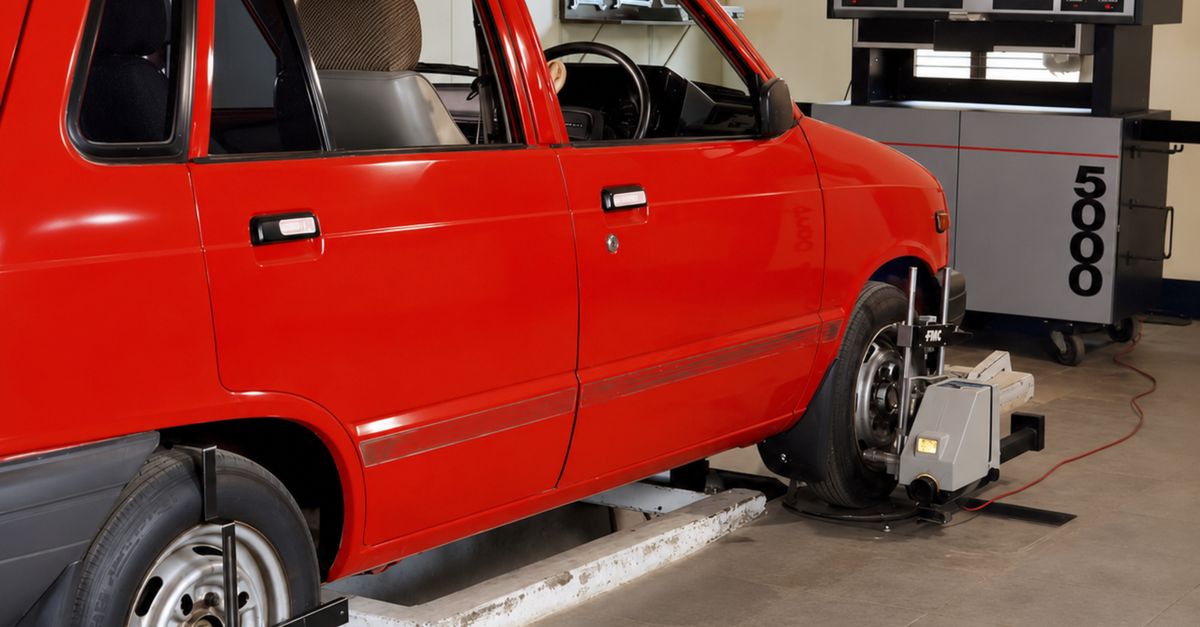
Correcting a vehicle that pulls to one side involves putting the car on specialized equipment to measure every angle precisely. Technicians use optical sensors mounted to each wheel to compare your current setup against factory specifications for your specific make and model. During professional wheel alignments, the adjustable components underneath are loosened and gently moved back into their proper places until all four wheels point straight ahead together.
What Happens During the Adjustment
Specialized racks allow mechanics to read tiny fractions of a degree so nothing is left to guesswork. Once the adjustments are locked down, a road test confirms that the steering wheel centres properly and the vehicle tracks straight on level pavement. Keeping your suspension and steering tight also protects other parts of the car from premature wear, ensuring your steering response stays predictable when you drive around Ancaster or Dundas.
Preventing Long-Term Wear on Tires and Parts
Driving with misaligned wheels does more than just tire your arms out on long trips. When a tire is dragged slightly sideways down the road due to incorrect toe angles, the rubber scrub wears away the tread in thousands of kilometres. This leads to early tire replacement and can also put unnecessary strain on ball joints, wheel bearings, and steering racks. Catching these changes early keeps your entire chassis working smoothly.
Simple Checks You Can Perform
Walk around your vehicle and inspect the front and rear tread surface with your hand or eyes. Look for feathering, where the tread blocks feel smooth on one side and sharp on the other when you rub your hand across them. If you spot uneven wear or notice your steering wheel is off-centre on straight roads, it is time to have the angles checked before the wear deepens.
Frequently asked questions
Can a bad tire cause my car to pull?
Yes, a damaged tire with uneven internal belt separation can cause a distinct pull to one side. Swapping the front tires left to right is a quick way to test if the pull follows the tire rather than the alignment.
Is it safe to drive with a misaligned steering system?
While the car remains drivable, continuous pulling causes rapid tire wear and forces you to fight the steering wheel constantly. Getting it adjusted restores normal handling and safety.
How often should alignment be checked?
It is wise to check your alignment angles once a year or whenever you experience a heavy impact from a deep pothole, curb strike, or rough construction zone.
If your vehicle is drifting across lanes or your steering wheel feels off-centre after a rough commute through Waterdown or Binbrook, we can help. Call us at (905) 588-2828 or visit our contact us page to book an appointment with our team.
Photo: Gansham Ramchandani / Pexels